
About Orientdig Spreadsheet
Click the images below to browse!
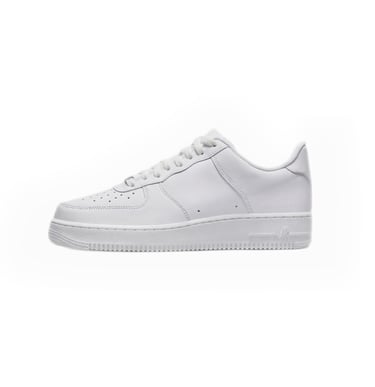





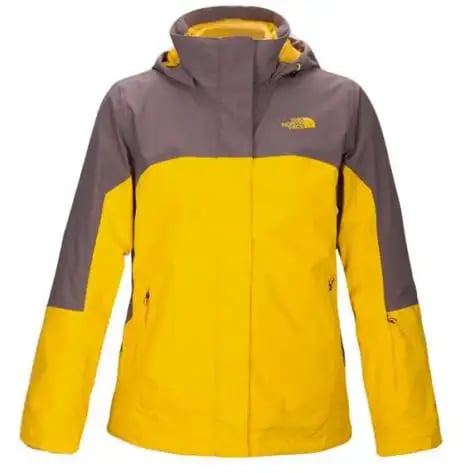


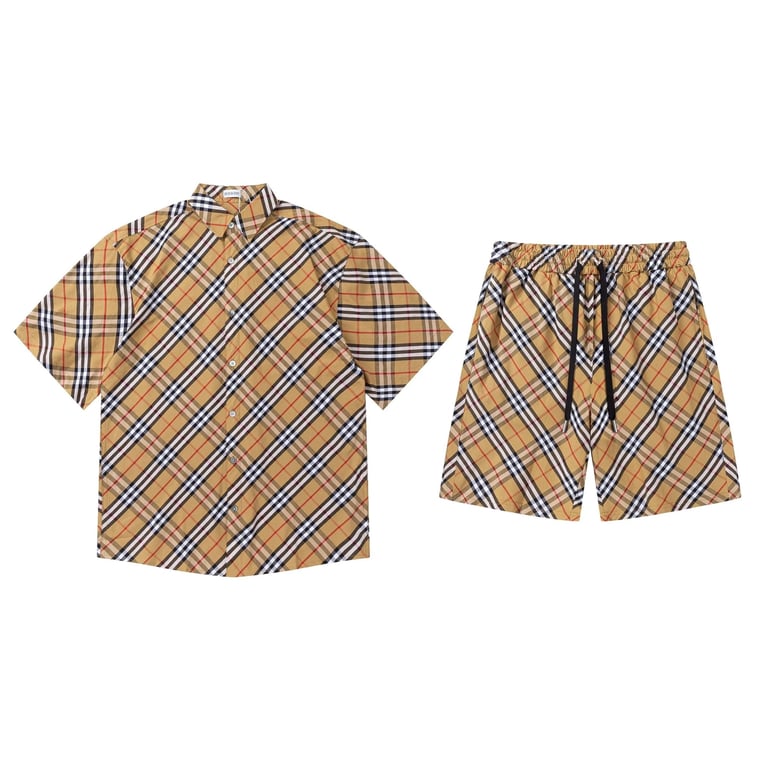
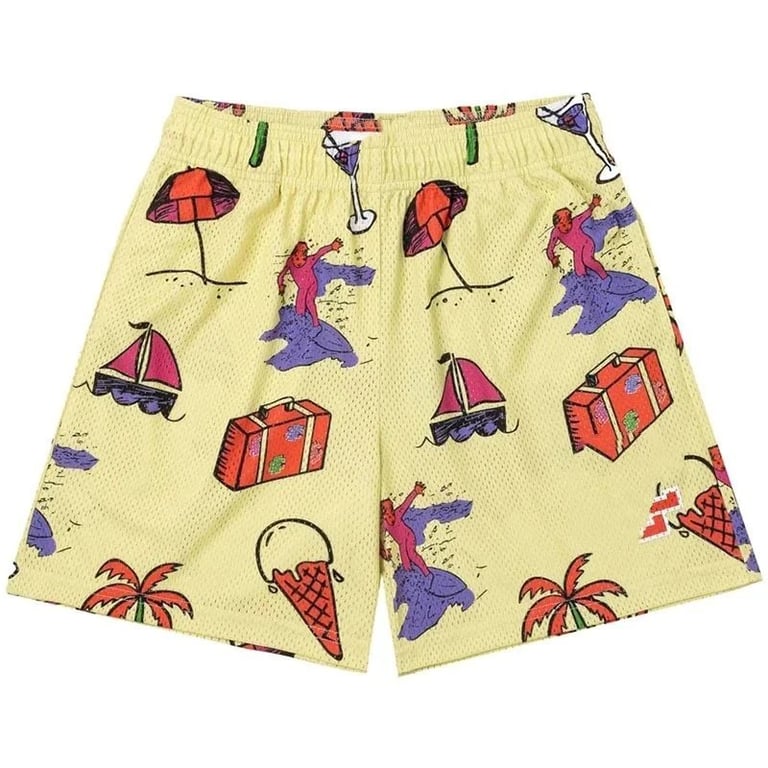
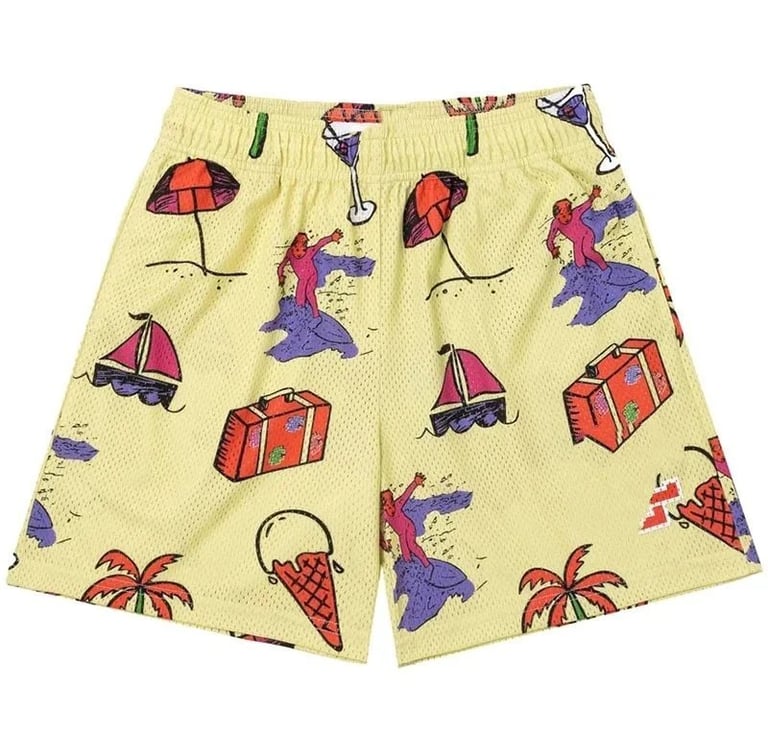
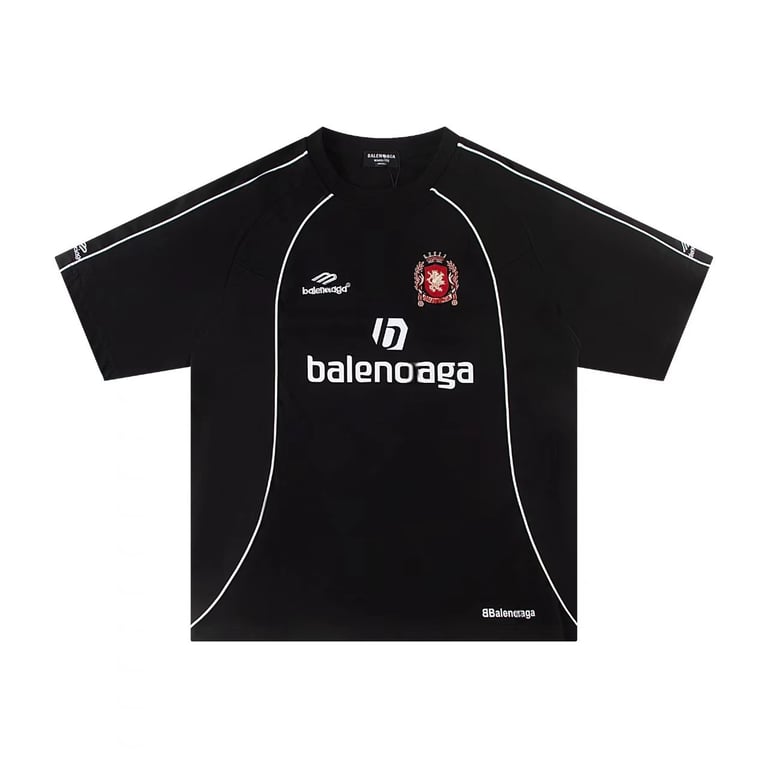
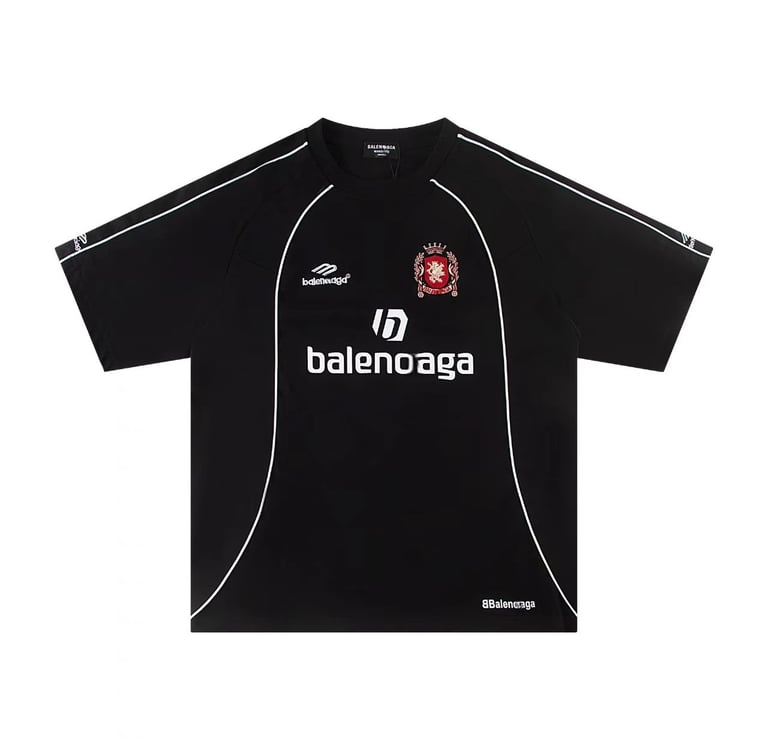
A Practical Way to Access China’s Products from Anywhere
Cross-border shopping has changed how people discover products, but it has also created new friction. While platforms like 1688 and Weidian offer massive product variety, they are not built for international users who need consistency, clarity, and predictable ordering flows.
Orientdig spreadsheet was created to make this experience more usable in real-world global purchasing.
Instead of trying to reinvent Chinese marketplaces, Orientdig spreadsheet focuses on simplifying how global buyers interact with them.
Built for real purchasing behavior, not ideal workflows
Most cross-border shopping tools assume users already know exactly what they want and how to get it. In reality, the process is far less linear.
Users often:
compare multiple suppliers for the same product
switch between different platforms for better pricing
deal with inconsistent product descriptions
adjust orders based on availability changes
Orientdig spreadsheet is designed around this behavior. It supports flexible sourcing while keeping order information structured enough to manage at scale.
A structured layer between buyers and suppliers
Instead of leaving users to navigate fragmented listings, Orientdig spreadsheet introduces a structured layer that organizes product selection and sourcing into a unified flow.
This means:
product information is grouped in a consistent format
supplier options can be viewed side by side
sourcing decisions are easier to track over time
cross-border order preparation becomes more predictable
The goal is not to simplify products, but to simplify how they are managed.
Designed to reduce operational friction in global shopping
Cross-border purchasing usually breaks down in coordination, not discovery. The difficulty comes after a product is found—when users need to manage communication, variations, and delivery details across different sellers.
Orientdig spreadsheet reduces this friction by turning scattered sourcing actions into a structured workflow that can be followed consistently from selection to fulfillment preparation.
Not a marketplace, but a coordination system
Orientdig does not operate as a traditional marketplace and does not compete with platforms like 1688 or Weidian.
Instead, Orientdig spreadsheet functions as a coordination layer that sits between global buyers and those platforms.
It helps structure the process of:
selecting products across multiple suppliers
organizing sourcing requests
preparing orders for cross-border delivery
This positioning allows users to keep using existing platforms while working in a more organized environment.
Extending structured sourcing with Orientdig Links
While Orientdig spreadsheet focuses on organizing sourcing workflows, Orientdig links is used to extend selected product structures outside the core system.
With Orientdig links, curated sourcing results from Orientdig spreadsheet can be accessed externally, making it easier to share or distribute product selections without rebuilding the sourcing process.
The two work together as different layers of the same system.
Who this system is built for
Orientdig spreadsheet is used by people who need more structure in cross-border sourcing, especially:
international buyers sourcing from China
small e-commerce operators working with multiple suppliers
users managing repeat purchasing workflows
anyone dealing with fragmented product information across platforms
It is designed for operational clarity, not casual browsing.
A different approach to cross-border commerce
Instead of focusing on speed or automation alone, Orientdig spreadsheet focuses on structure.
Because in cross-border shopping, the real challenge is not finding products—it is managing everything that happens after.
By organizing sourcing into a consistent system, Orientdig spreadsheet makes global purchasing more stable, more readable, and easier to operate over time.